
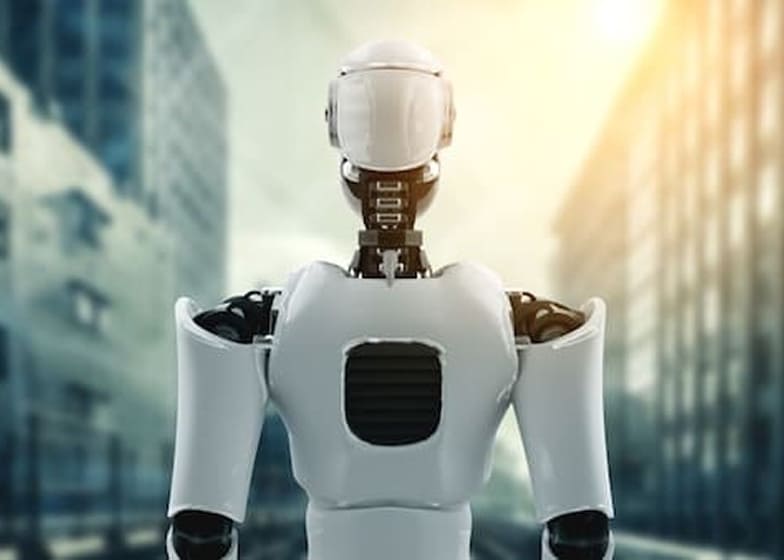
Robots are no longer just industrial machines—they are increasingly becoming a part of our daily lives. From household chores to healthcare and transportation, robotics is shaping the way we live, work, and interact with technology.
- Enhances efficiency and productivity.
- Supports tasks that are dangerous, repetitive, or time-consuming.
- Opens up opportunities for innovation and new services.
This guide explores how robotics is being integrated into everyday life, its benefits, challenges, and future potential.
Understanding Robotics
Robotics refers to the branch of technology focused on designing, building, and operating robots.
- Automation: Performs tasks without human intervention.
- Sensors: Detects environment and interacts safely.
- Artificial Intelligence (AI): Learns and adapts to tasks.
- Connectivity: Communicates with other devices or networks.
Robotics in Daily Life
Household Robots
- Robots can vacuum, mop, or assist in cooking.
- Reduce time spent on routine chores and improve convenience.
Healthcare Robotics
- Assist in surgeries with precision.
- Provide care and monitoring for elderly or disabled individuals.
- Deliver medications in hospitals and care facilities.
Robotics in Transportation
- Autonomous vehicles for personal and public transport.
- Delivery robots and drones for goods and packages.
Workplace Automation
- Robots in offices and factories automate repetitive or dangerous tasks.
- Collaborative robots (cobots) work alongside humans safely.
Education and Entertainment
- Educational robots help children learn STEM skills.
- Robotic toys and companions provide interactive experiences.
Benefits of Everyday Robotics
Time and Effort Savings
- Automates repetitive chores and tasks.
- Frees humans to focus on creative and cognitive activities.
Safety and Precision
- Performs hazardous tasks safely (e.g., handling chemicals, firefighting).
- Robots execute tasks with high accuracy and consistency.
Accessibility and Assistance
- Helps elderly, disabled, or physically challenged individuals.
- Provides companionship and monitoring in homes or care centers.
Efficiency and Productivity
- Robots work tirelessly without breaks, improving output.
- Reduces errors and enhances workflow efficiency.
Challenges of Robotics in Daily Life
- High Cost: Advanced robots can be expensive to purchase and maintain.
- Technical Limitations: Robots may struggle with complex or unpredictable environments.
- Job Displacement Concerns: Automation may replace certain human jobs, requiring reskilling.
- Privacy and Security: Connected robots may collect data, raising privacy concerns.
- Ethical and Social Issues: Questions about robot decision-making, responsibility, and social impact.
The Role of AI in Robotics
- Machine Learning: Robots learn from data and improve performance.
- Computer Vision: Recognizes objects, people, and environments.
- Natural Language Processing: Enables voice commands and communication.
- Autonomous Decision-Making: Robots can make decisions in real-time based on data.
Future Trends in Robotics
- Autonomous Personal Assistants: Home robots that manage schedules, household chores, and communication.
- Robotics in Smart Homes: Integration with IoT devices for seamless home automation, energy management, and security.
- Robotics in Healthcare: Advanced surgical robots, rehabilitation devices, and remote care robots.
- Collaborative Robots in Workplaces: Cobots working safely alongside humans in factories and offices.
- Entertainment and Social Robotics: Robots as companions, educators, and entertainers offering personalized experiences.
Best Practices for Adopting Robotics
- Start with robots that address high-impact tasks first.
- Ensure proper training for human-robot interaction.
- Regularly maintain and update robotic systems.
- Monitor data and connectivity for privacy and security compliance.
- Integrate robotics with AI, IoT, and smart systems for maximum benefit.
Conclusion
Robotics is redefining the way humans live, work, and interact with technology.
- Robots improve efficiency, safety, and convenience in daily life.
- Applications range from household chores and healthcare to transportation and education.
- Challenges include costs, technical limits, privacy concerns, and job displacement.
- Future robotics, powered by AI and IoT, will create more intelligent, interactive, and helpful systems.
By embracing robotics responsibly, individuals and businesses can enhance productivity, safety, and quality of life while preparing for a smarter, automated future.
