
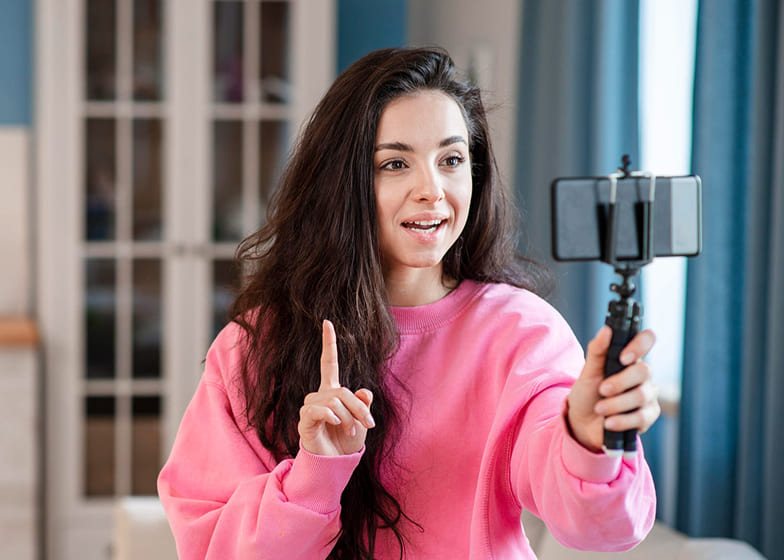
An influencer campaign is a planned effort where you work with creators (people with an audience) to tell that audience about your brand, product, or idea. The goal is usually to increase awareness, get traffic, or drive sales. A good campaign is built from strategy → planning → creator selection → content → launch → measurement → optimization.
Set clear goals (Start here)
Decide exactly what success looks like. Use one primary goal and 1–2 supporting goals. Common goals include brand awareness, website visits, leads/email sign-ups, sales, app installs, or content for your social channels (repurposing).
- Example goal: Increase online sales of Product X by 20% during the campaign period.
- Why this matters: If your goal is clear, everything else (who you pick, what you pay, what content you ask for) will make sense.
Decide the campaign type & message
Choose the format and core message before you reach out to creators. Common campaign types (pick one or mix):
- Product review / demo
- Unboxing
- Tutorial / how-to
- Challenge or hashtag campaign
- Takeover (creator runs your channel for a day)
- Giveaway or contest
- Affiliate or discount code
- Long-form story (YouTube, blog)
- Short-form ads (Reels, TikTok, Shorts)
Set the budget and timing
Have a realistic budget for creator fees, product cost, amplification, and admin.
- Typical allocation: 60% creator fees, 20% product & shipping, 10% paid promotion, 10% admin/tools.
- Example (if you have $5,000): Creator fees: $3,000; Product costs: $1,000; Boosting: $500; Admin/tools: $500.
- Campaign length: short (1–2 weeks), mid (4–6 weeks), or long (2–3 months). Many launches run 4–8 weeks.
Define your target audience clearly
Who should see the campaign? Define demographics + behaviour: age, location, interests, buying habits.
- Audience example: Urban women, 25–35, who shop online and value eco-friendly products.
Choose the right influencers
Use this checklist rather than only chasing follower counts:
- Relevance / fit: Content matches your message and audience.
- Engagement: Likes, comments, shares relative to follower count (engagement rate = (likes + comments) ÷ followers × 100).
- Content quality: Visual style and storytelling suit your brand.
- Authenticity: Do they sound genuine?
- Past performance & brand safety: Ask for past campaign metrics and review past posts.
Create a clear influencer brief
Include campaign name, key message, target audience, deliverables, required captions, mandatory disclosures, visual references, do's & don'ts, timeline, payment terms, tracking, and contact person.
- Deliverables (e.g., 1 Reel + 3 Story slides + link in bio for 48 hrs)
- Disclosure requirement (e.g., "#ad" or "Paid partnership")
- Tracking (UTM links or affiliate codes)
Negotiate fees & agree terms
Common payment models: flat fee, product-only, performance-based, or affiliate. Include deliverables, deadlines, revisions, disclosure, usage rights, exclusivity, payment schedule, and cancellation terms in the contract.
- Sample payment: 50% deposit on signing, 50% on publishing + analytics.
Prepare assets & tracking
Provide creators with product samples, brand assets, sample caption cues, and clear tracking links (UTM or affiliate codes).
Approvals & the workflow
- Creator produces draft and sends by date X.
- You review within 48 hours and give feedback (one round recommended).
- Creator posts on agreed date and shares the live post link and analytics 3–5 days after posting.
Launch & amplify
- Re-share creator content on your channels with credit.
- Boost top-performing creator posts with paid ads.
- Use creator content on product pages, emails, and ads where allowed.
Measure results (KPI checklist)
Track awareness, engagement, traffic, and conversions. Key metrics include reach, impressions, engagement rate, clicks, CTR, conversion rate, and CPA. Also monitor sentiment and follower growth.
Optimize mid-campaign
- Promote top posts, pause underperformers, reallocate budget, and test CTAs or landing pages.
Repurpose content
- Edit long videos into short clips, use images on product pages and ads, and create "best of" compilations.
Legal & compliance (must-do)
- Require clear disclosure ("#ad", "Paid partnership").
- Ensure product claims are supported and not misleading.
- Get signed agreements on content usage and IP rights.
Closing the campaign: reporting & learnings
Gather all creator analytics and your campaign analytics. Create a one-page summary with objective results, spend, top performers, key lessons, and next steps.
Tips, hacks, and best practices
- Give creators creative freedom.
- Prefer micro-influencers for niche audiences and higher engagement.
- Start small with a pilot campaign before scaling.
- Reward top performers with bonuses or long-term partnerships.
- Track everything with UTM and unique promo codes.
