
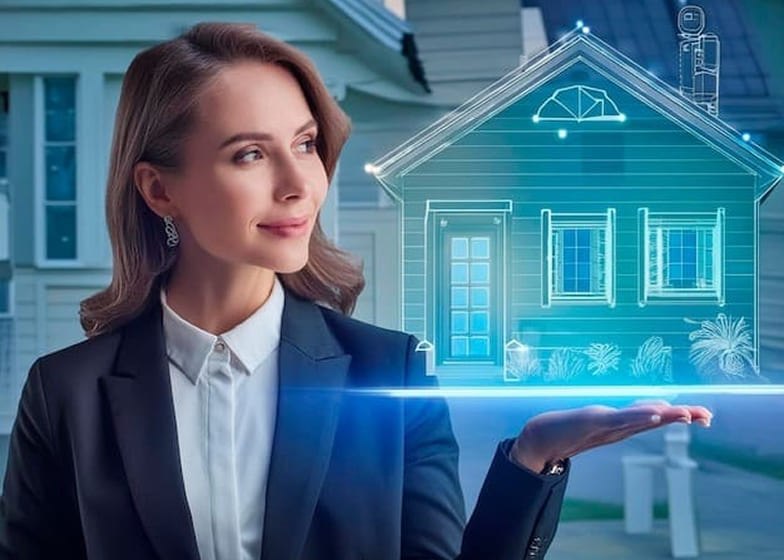
Smart homes and home automation have transformed the way we live, offering convenience, security, and energy efficiency. By integrating technology into everyday household devices, homeowners can control lighting, temperature, security systems, appliances, and entertainment systems from anywhere.
- Enhances convenience and comfort in daily life.
- Provides energy efficiency and cost savings.
- Improves safety and monitoring for families and elderly individuals.
This guide explores the evolution, benefits, challenges, and future of smart homes and automation.
Understanding Smart Homes
A smart home is a residence equipped with devices connected to the internet that can be monitored, controlled, and automated remotely.
- Connectivity: Devices communicate through Wi-Fi, Zigbee, or Bluetooth.
- Automation: Tasks are scheduled or triggered automatically.
- Remote Control: Manage devices from smartphones, tablets, or voice assistants.
- Integration: Multiple devices work together for a seamless experience.
History and Evolution of Smart Homes
Early Automation (1970s–1990s)
- Basic home automation: timers for lights and simple security alarms.
- Focus on energy management and safety.
The Rise of Connected Devices (2000s)
- Introduction of internet-connected devices like smart thermostats.
- Voice commands and remote monitoring via mobile apps began emerging.
Modern Smart Homes (2010s–Present)
- Integration of AI, machine learning, and IoT devices.
- Voice assistants like Amazon Alexa, Google Assistant, and Apple HomeKit.
- Devices communicate seamlessly and offer predictive automation.
Future Trends
- Fully autonomous homes with AI-powered predictive control.
- Integration with smart cities for energy and traffic optimization.
- Advanced home security with facial recognition and behavior prediction.
Key Components of a Smart Home
- Smart Lighting: Lights can be scheduled or controlled remotely. Energy-efficient LED bulbs save electricity.
- Smart Thermostats: Adjust temperature based on occupancy, weather, and preferences. Reduce energy consumption while maintaining comfort.
- Smart Security Systems: Cameras, motion sensors, and smart locks provide safety. Notifications sent directly to smartphones.
- Smart Appliances: Refrigerators, washing machines, and ovens with connectivity for monitoring and automation.
- Voice Assistants and Hubs: Centralized control for multiple devices through voice commands. Examples: Amazon Echo, Google Nest Hub.
- Energy Management Systems: Track and optimize energy consumption. Integrate with solar panels, batteries, and smart grids.
Benefits of Smart Homes
- Convenience and Comfort: Automates routine tasks like turning on lights or brewing coffee. Reduces manual intervention and enhances lifestyle.
- Energy Efficiency: Smart thermostats, lighting, and appliances reduce electricity bills. Monitors energy usage to prevent wastage.
- Enhanced Security: Real-time monitoring of doors, windows, and cameras. Alerts homeowners of unusual activity.
- Remote Access: Control and monitor home devices from anywhere in the world. Useful for travelers and busy professionals.
- Accessibility: Assists elderly or differently-abled individuals with automated systems.
Challenges of Smart Homes
- High Initial Cost: Smart devices and installation can be expensive.
- Security and Privacy Concerns: Connected devices can be vulnerable to hacking. Data collection raises privacy concerns.
- Interoperability Issues: Devices from different brands may not work seamlessly together.
- Technical Knowledge Required: Users may need some tech knowledge to configure and maintain devices.
- Dependence on Internet Connectivity: Smart home systems may fail during internet outages.
Future of Smart Homes and Automation
- AI-Driven Predictive Automation: Homes that learn user preferences and habits. Automatically adjust lighting, temperature, and appliances.
- Integration with Smart Cities: Homes communicate with city grids for energy efficiency and traffic management.
- Advanced Security Systems: Facial recognition, biometric access, and predictive threat detection.
- Voice and Gesture Control: More natural and intuitive ways to control devices.
- Sustainable Living: Smart homes integrated with solar energy, water management, and recycling systems.
Best Practices for Smart Home Adoption
- Start with core devices like lighting, security, and thermostat.
- Ensure strong passwords and update device firmware regularly.
- Choose devices that are compatible with existing systems.
- Integrate devices gradually to avoid complexity.
- Educate household members about usage and security.
Smart homes are redefining modern living by combining convenience, automation, and efficiency.
- Evolution spans from basic timers to AI-powered, fully connected homes.
- Smart devices improve comfort, energy efficiency, security, and accessibility.
- Challenges include cost, privacy, interoperability, and internet dependence.
- Future homes will be smarter, predictive, and more integrated with broader smart city systems.
By embracing smart home technology responsibly, individuals can enhance their lifestyle, save energy, and enjoy a safer, more convenient living environment.
