
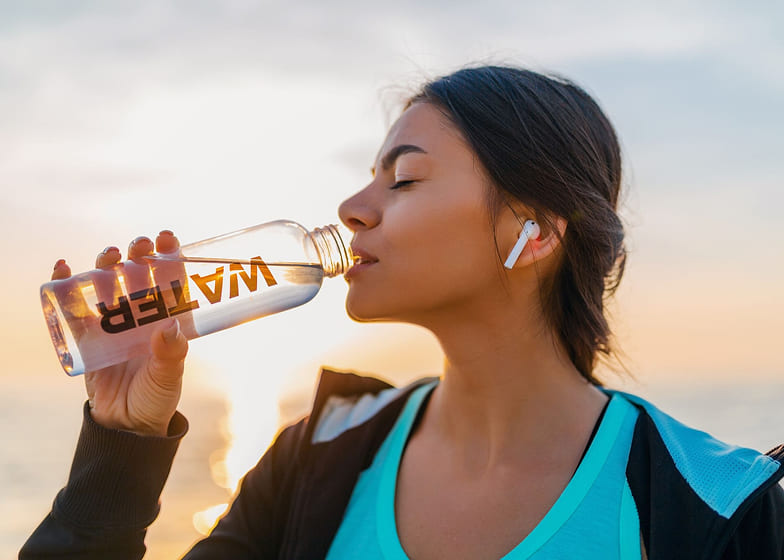
Water is often called the elixir of life — and for good reason. Every cell, tissue, and organ in your body needs water to work properly. You can survive weeks without food, but only a few days without water.
Think about it: your blood, sweat, tears, and even the moisture in your eyes are mostly water. Without enough of it, your body can’t function at its best.
How Much of You is Water?
Around 60% of the human body is made up of water.
- Brain: ~75% water
- Blood: ~90% water
- Muscles: ~75% water
- Bones: ~25% water
Hydration is Important
Water plays many roles in your health:
- Helps in Digestion: Water helps break down food so your body can absorb nutrients. Without enough water, you might face problems like constipation.
- Keeps Your Joints Moving Smoothly: Joints have fluid that acts like oil in a machine. If you’re dehydrated, that fluid decreases, and your joints may feel stiff or painful.
- Controls Body Temperature: When you’re hot, you sweat. This sweat evaporates and cools your body down. Without enough water, your body can’t cool itself properly — leading to heat exhaustion.
- Removes Waste and Toxins: Water helps kidneys filter waste from blood and excrete it through urine.
- Boosts Brain Function: Even mild dehydration can cause headaches, poor concentration, and mood changes.
Signs That You’re Dehydrated
- Thirst
- Dry mouth
- Dark yellow urine
- Headache
- Fatigue
- Dizziness
How Much Water Do You Need?
The “8 glasses a day” rule is common, but needs vary based on:
- Age
- Gender
- Activity level
- Climate
Best Sources of Hydration
- Plain Water: The simplest and most effective way to hydrate.
- Fruits and Vegetables: Many have high water content:
- Watermelon (~92% water)
- Cucumber (~96% water)
- Oranges (~86% water)
- Herbal Teas and Milk: Count towards fluid intake.
- Avoid Excess Sugary & Caffeinated Drinks: They can sometimes increase water loss.
Tips to Stay Hydrated
- Carry a water bottle and keep it nearby.
- Drink before you feel thirsty.
- Start your day with a glass of water.
- Eat water-rich foods like cucumber, tomatoes, and berries.
- Set reminders to drink water during work.
When to Drink More Water
You may need extra water if you:
- Exercise
- Spend time in hot weather
- Are sick with fever, vomiting, or diarrhea
- Are pregnant or breastfeeding
Dangers of Too Little or Too Much Water
- Too Little (Dehydration):
- Kidney problems
- Heatstroke
- Low blood pressure
- Too Much (Overhydration): Rare, but extreme intake in a short time can lower blood salt levels — leading to headaches, nausea, or worse.
Balance is key.
Hydration isn’t just about drinking water when you’re thirsty — it’s about making it a daily habit. Your body, brain, and even your mood depend on it.
